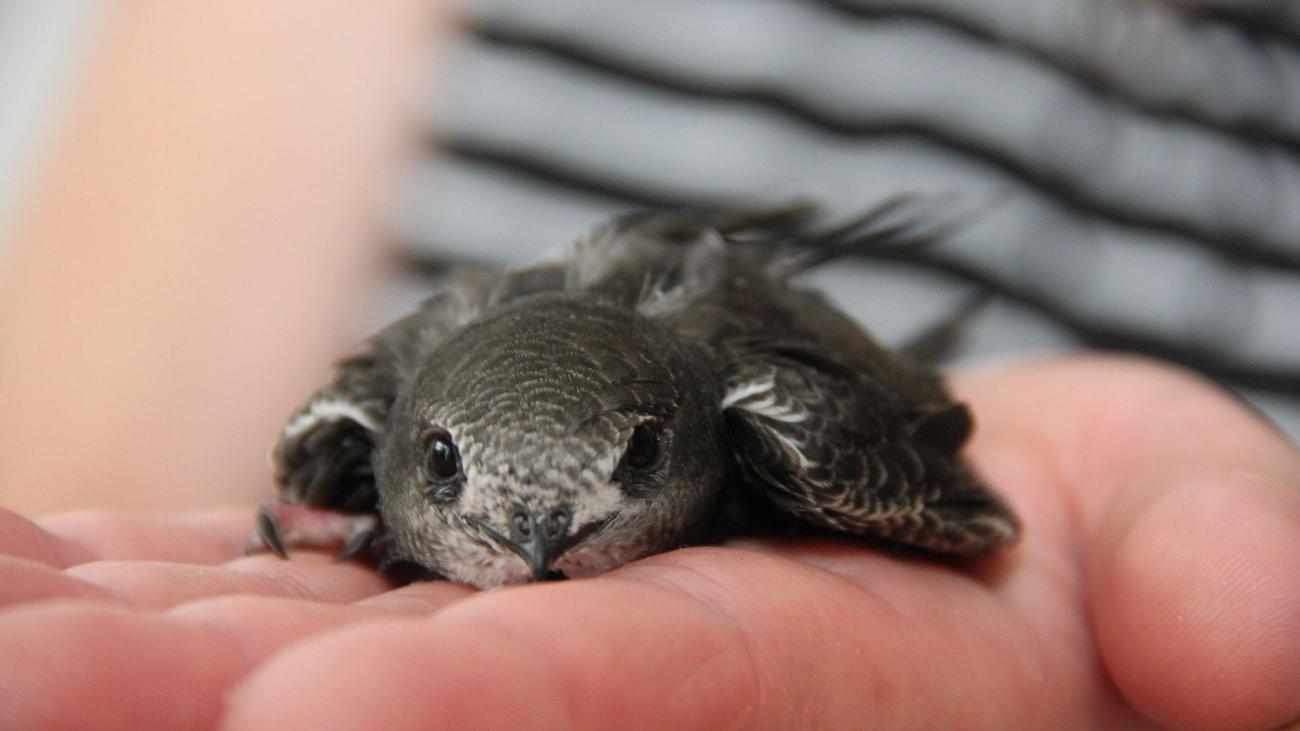
The younger birds climbed to the sting of the nest heat to flee of their domicile – and crashed. In the course of the warmth wave on the finish of June, lots of of younger wild birds in Saxony discovered themselves in misery.
Since then, Corinna Heinrich’s telephone hasn’t stopped ringing. Swifts and different weakened younger birds which have jumped out of nests fill the chicken and hedgehog care station in Unhealthy Elster in Vogtland. The Animals have to be fed each few hours throughout the day. Many wildlife care stations nationwide are totally occupied or are about to cease accepting them, studies Heinrich.
The latest excessive warmth “was the final straw,” explains Heinrich. She has taken in round 50 swift chicks prior to now few days. The wildlife care stations, that are largely privately operated and financed virtually solely via donations, had been already at their limits. “An increasing number of are giving up.” For a lot of, the time-consuming care is a part of their job, Family and well being issues may now not be managed.
Corinna Heinrich runs the one remaining rescue heart for small wild animals in massive components of southwest Saxony and into Higher Franconia in Bavaria. “If I finished, I’d always have to consider what would occur to the animals.”
Warmth causes nice struggling for birds in cities
The scenario has not too long ago been significantly dramatic in heated cities with temperatures round 40 levels Celsius, explains Karsten Peterlein, head of the Leipzig Wild Hen Assist. Within the 4 days of Heat wave In June, over 500 studies of swift chicks being discovered had been obtained. 76 animals had been accepted. “We needed to flip the others away, it’s a disaster.” There’s merely an absence of time, employees and cash. Due to the warmth, many younger birds climbed to the sting of the nest, fell and wanted assist.
For Corinna Heinrich, caring for the younger swifts now dominates the day. Each single chicken have to be dealt with. A unsuitable grip may injure the beak. Elevating a swift prices round 50 euros in meals prices, she studies. Hedgehogs, bats and different wild animals additionally reside of their station. Donations are urgently wanted. “I simply can’t afford the vet and meals prices by myself.”
There’s everlasting state funding for many wildlife care stations Saxony not, says René Sievert from the Nature Conservation Affiliation of Saxony (Nabu). “The individuals who discover wild animals are sometimes determined. You spend a very long time on the telephone and nonetheless cannot discover anybody to speak to.” Authorities within the areas of searching, forestry or nature conservation are sometimes unavailable exterior of workplace hours. “Then folks inevitably find yourself on the volunteer wildlife care facilities,” says Sievert. Many individuals should not conscious that the helpers take care of the animals along with their job and household. The capacities are very restricted.
Nabu is making an intensive effort to offer info and training in order that assist will be supplied as easily as attainable, explains Sievert. Just lately, the nationwide system has additionally been serving to Wildlife SOS app Aid you assess whether or not an animal wants assist and who you’ll be able to flip to.
Emotional burden for helpers
The truth that even skilled operators are quickly unavailable makes the scenario worse, provides Tobias Rietzsch from the wildlife rescue station in Rödlitz (Zwickau district). It is quieter right here than in earlier years. For well being causes he’s at the moment unable to absorb animals. Nonetheless, the inquiries don’t cease. Veterinarians, hearth departments and authorities additionally contact him repeatedly. “Thus far there have been no indicators from the state of Saxony to help us in our work.” Many helpers may hardly say no for ethical causes. For example, Rietzsch cites a falconer who has been asserting for years that he needs to give up. He’s now over 90 years outdated. However when the telephone rings, he continues. “We wish to assist,” says Rietzsch.
The truth that finders typically should spend a very long time in search of an acceptable foster house was one of many triggers for founding the Wildlife Assist Saxony community three years in the past, explains managing director Simone Schulz. It needs to deliver collectively foster properties, veterinarians, authorities and nature conservation actors. The thought took place on the animal clinic on the College of Leipzig. “Additionally as a result of the variety of severely injured animals is rising.”
At the moment the community has round 150 members. It helps the voluntary foster properties with, amongst different issues, coaching and resilience seminars, that are additionally supposed to alleviate the psychological burden on helpers. Stops in admissions and the lack of foster properties put an unlimited pressure on wildlife employees. On the similar time, new initiatives have emerged in Saxony and helpers are sharing provides, says Schulz.
© dpa-infocom, dpa:260705-930-335371/1